Beyond the Ovaries: Why PCOS is Now Being Called PMOS (and What It Means for Your Health)
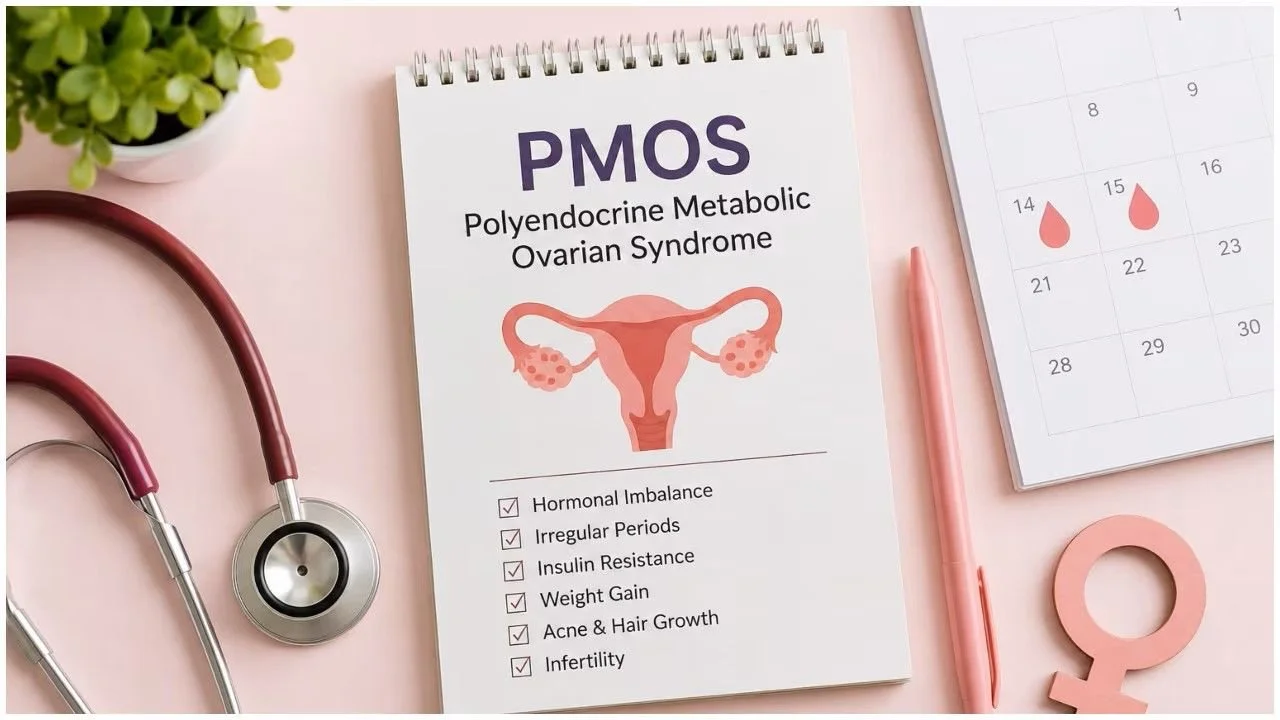
For decades, we’ve called it PCOS (Polycystic Ovary Syndrome). But the medical world is finally catching up to what we, as naturopathic doctors, have known all along: this condition is so much bigger than just the ovaries.
Recently, a shift has begun to rename this condition to PMOS—Polyendocrine Metabolic Ovarian Syndrome.
This new name is a massive win for patient advocacy. It highlights that PMOS is not merely a localized reproductive issue; it is a complex condition involving multiple endocrine systems, blood sugar regulation, and intricate metabolic pathways.
Why the Old Name Left So Many People Behind
In clinical practice, the term "PCOS" has historically caused a lot of confusion and, unfortunately, missed diagnoses. Here is why the name change matters:
Cysts aren't a requirement: Countless individuals presenting with irregular cycles, anxiety, and blood sugar dysregulation were dismissed from further testing simply because they didn't have physical ovarian cysts.
It’s a whole-body condition: PMOS impacts your entire system, affecting your hormonal, metabolic, mental, cardiovascular, digestive, and endocrine health. Everything is interconnected.
While naturopathic medicine has always treated this condition holistically, this official shift to "PMOS" puts a much-needed emphasis on collaborative care. It paves the way for all healthcare practitioners to work together and treat this condition with the comprehensive respect it deserves.
5 Essential Pillars for True PMOS Support
When we look at PMOS through a holistic lens, our care can't stop at the ovaries. We need to investigate and support the entire web of your physiology. Here are the key areas where true healing happens:
1. Blood Sugar Regulation
One of the most common underlying drivers of PMOS is insulin resistance, a state where your cells become less responsive to insulin, forcing your pancreas to pump out more. These high insulin levels can trigger your ovaries to produce excess androgens (like testosterone), which can inhibit ovulation.
Symptoms you might experience: Stubborn weight gain, intense sugar cravings, fatigue, and irregular cycles.
How we support it: Emphasizing a protein and fiber-rich diet, minimizing high-glycemic foods, prioritizing regular physical activity, managing stress, utilizing targeted supplementation, and more!
2. The Adrenal Connection
Your ovaries aren't the only places making androgens; your adrenal glands can contribute to higher androgen levels, too. Chronic stress elevates cortisol, which directly disrupts blood sugar regulation, ovulation, and overall hormone balance.
How we support it: Nourishing your nervous system through quality sleep, joyful movement, nervous system regulation strategies, adequate daily protein intake, and among other tailored strategies.
3. Optimizing the Gut Microbiome
We often call the gut our "second brain," but it’s also a major hormonal hub. An imbalance in your gut microbiome (dysbiosis) can negatively impact estrogen metabolism, drive up systemic inflammation, affect your mood, and worsen insulin resistance.
How we support it: Nourishing your microbiome with a diverse, whole-food diet, exploring a personalized probiotic, possibly utilizing comprehensive microbiome testing to investigate root-cause digestive concerns, and other targeted treatments.
4. Decreasing Systemic Inflammation
Because PMOS alters core metabolic processes, it is inherently associated with chronic, low-grade inflammation. This inflammation can worsen insulin resistance and hormonal imbalances, creating a frustrating cycle.
How we support it: Implementing anti-inflammatory nutrition and lifestyle changes, prioritizing regular physical activity, alongside personalized, high-quality antioxidant and anti-inflammatory supplementation.
5. Whole-Body Care
Individuals with PMOS carry a higher long-term risk for dyslipidemia, type 2 diabetes, and cardiovascular concerns. To prevent future complications, we must assess and optimize the function of every organ system collectively.
The Big Picture
Whether you call it PMOS or not, please know this: your experience, your symptoms, and your struggles are completely valid.
You deserve to be heard, and you deserve deeply personalized, holistic care that looks at the full picture of what is happening inside your body. You are not just a collection of symptoms or a pair of ovaries. You are a whole person, and your healthcare should reflect that.
If you're ready to look beyond the surface and support your health from the inside out, let's connect and build a roadmap tailored just for you.