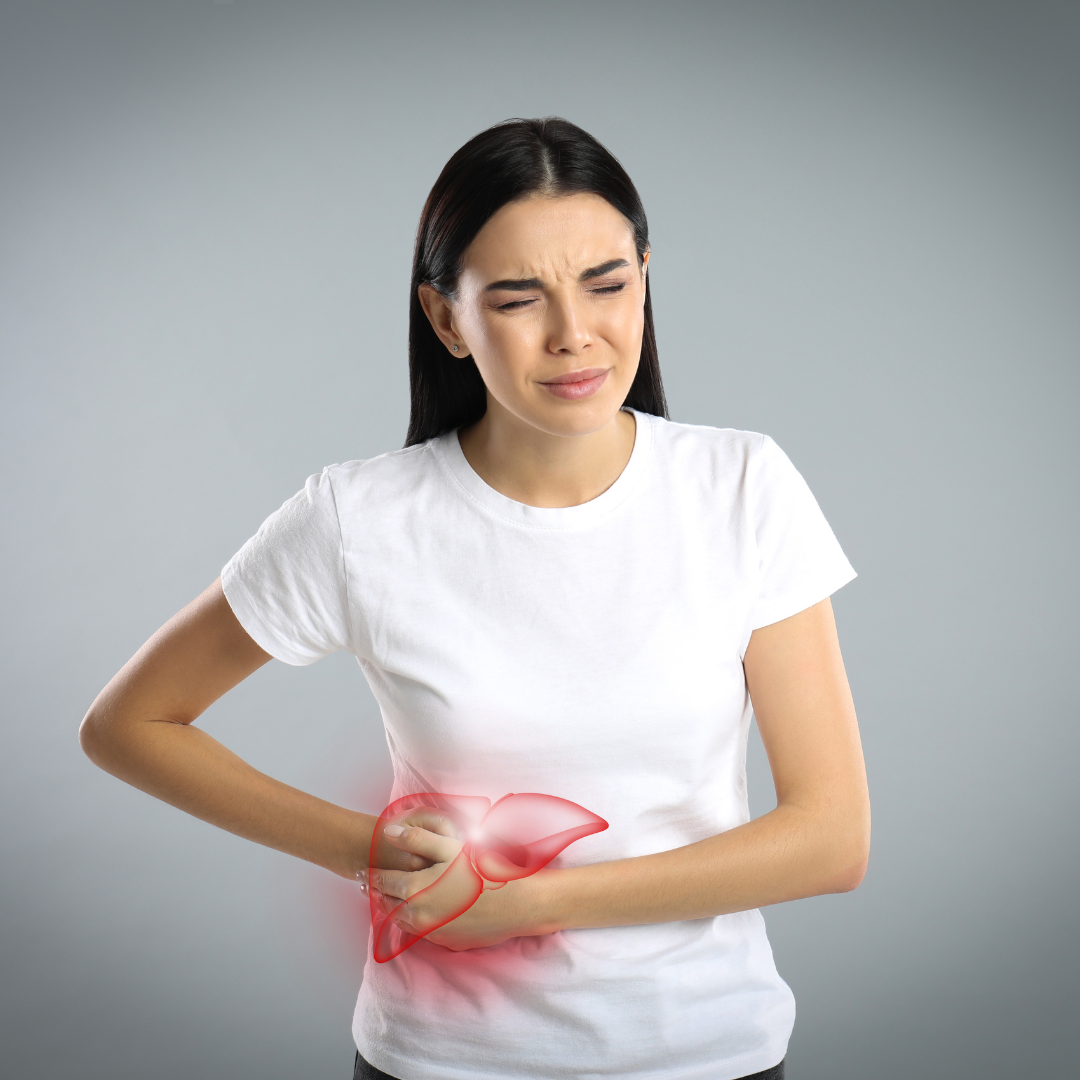
Fatty liver, clinically known as hepatic steatosis, has become one of the most widespread metabolic conditions I see in clinical practice today. Because the liver is a silent workhorse, fatty liver is frequently uncovered by chance during routine abdominal ultrasounds or routine blood work showing elevated liver enzymes (ALT and AST). By the time it appears on a screen or lab panel, fat accumulation has often been building quietly for years.
Understanding the Two Main Categories of Fatty Liver
Alcoholic Fatty Liver Disease (AFLD): Primarily driven by high or chronic alcohol consumption.
Non-Alcoholic Fatty Liver Disease (NAFLD): Strongly tied to systemic metabolic factors, including insulin resistance, chronic inflammation, visceral adiposity, and gut microbiome dysbiosis.
If left unaddressed, fat accumulation can progress to scarring (fibrosis) and permanent liver damage (cirrhosis).
The Underlying Drivers
Chronic Inflammation & Oxidative Stress: As fat collects inside liver cells (hepatocytes), it causes structural stress that triggers an immune response. This surge in pro-inflammatory cytokines and reactive oxygen species (ROS), often exacerbated by increased intestinal permeability and an imbalanced gut microbiome, accelerates tissue degradation.
Insulin Resistance: When body tissues become resistant to insulin, circulating insulin levels remain high. This signals the liver to continuously produce and store triglycerides while impairing its ability to break down existing fat. Over time, this cycle drives further cellular scarring.
Nutritional Strategies
Supporting liver function starts on your plate:
Build meals around lean protein, soluble and insoluble fiber, and anti-inflammatory fats (such as extra virgin olive oil, raw nuts, seeds, and avocados) to stabilize glucose levels and optimize lipid markers.
Drastically reduce your intake of processed foods.
Chew thoroughly and eat vegetables and protein prior to complex carbohydrates to blunt glucose spikes.
Drink 2 to 3 liters of water daily to support waste elimination and optimize bile flow.
Dramatically reduce or eliminate alcohol to support cellular repair.
Incorporate brightly colored fruits and vegetables rich in antioxidants alongside bitter greens (like arugula, dandelion, and radicchio) to support bile flow.
Lifestyle Pillars
Manage Stress & Cortisol Levels: Elevated cortisol levels stimulate visceral fat deposition while impairing insulin sensitivity.
Optimize Digestive & Microbiome Function: Ensure daily, complete bowel movements, and incorporate fermentable fibers and fermented foods to reinforce the intestinal barrier and reduce inflammation.
Engage in Regular Exercise: A combination of aerobic exercise and resistance training supports blood sugar regulation, reduces fat storage, and lowers inflammatory markers.
Common Clinical Clues to Watch For
Even though these signs and symptoms do not confirm a diagnosis, they can give insight into whether it is worth assessing your liver function deeply:
Persistent daily fatigue and brain fog
Bloating or sluggish digestion after meals
Frequent, intense sugar or carbohydrate cravings
Elevated blood lipid markers (triglycerides, ApoB, LDL)
Elevated liver transaminases (ALT, AST, GGT)
Weight loss resistance regardless of consistent diet and exercise
Personal or family history of insulin resistance, PCOS, prediabetes, or Type 2 diabetes
If you have several of these signs/symptoms, work alongside your primary healthcare provider or Naturopathic Doctor to run a comprehensive metabolic assessment.
Key Notes
While a fatty liver diagnosis can feel overwhelming, hepatic tissue possesses a remarkable capacity for regeneration. Through nutrition changes, daily lifestyle adjustments, and targeted supplementation, you can restore liver clearance, improve insulin sensitivity, and protect your long-term health. Sustainable, consistent changes, not short-term perfection, are what create lasting metabolic change.